Los Angeles yards work hardest in the shoulder seasons. Mornings stay cool enough for coffee outdoors, evenings invite friends around the grill, and weekends stretch long in the sunshine. When we design for LA homes, the goal is not a single showpiece but a set of spaces that host how you actually live: weeknight dinners, birthday gatherings, movie nights with the kids, quiet recovery after a long week on the 405. Below are twelve entertainment features we recommend most often, with the trade‑offs and details we weigh on every project, from the Westside to the hills above Pasadena.
1. Zoned paver terraces that organize the party
Most LA backyards succeed or fail on circulation. A large monolithic patio tends to collect furniture and heat. Zoned terraces, usually in high quality pavers, carve the yard into clear destinations that make hosting intuitive. We often combine a dining terrace closest to the kitchen door, a smaller lounge terrace set to capture sunset light, and a flexible pad for games or a portable bar. Good design lines up these zones with how guests naturally flow, then frames them with low plantings and lighting.
Pavers suit Los Angeles for several reasons. They reflect heat less than poured concrete when chosen in lighter blends, they allow sectional repairs after utility work, and they stand up to earthquakes better than broad concrete expanses. In older lots where buried surprises are common, pavers let us adjust base depths without redesigning the whole slab. Many homeowners ask whether stamped concrete can deliver the same result. It can be cost effective for large simple surfaces, but it rarely matches the richness or long‑term serviceability of a well installed paver system. If you are exploring patterns, the catalog of 15 paver patio designs Los Angeles homeowners love usually includes a mix of modern large‑format rectangles and tumbled cobble borders. We mock these up on site whenever possible, because color reads differently under LA’s warm light.
2. An outdoor kitchen sized for real weeknights
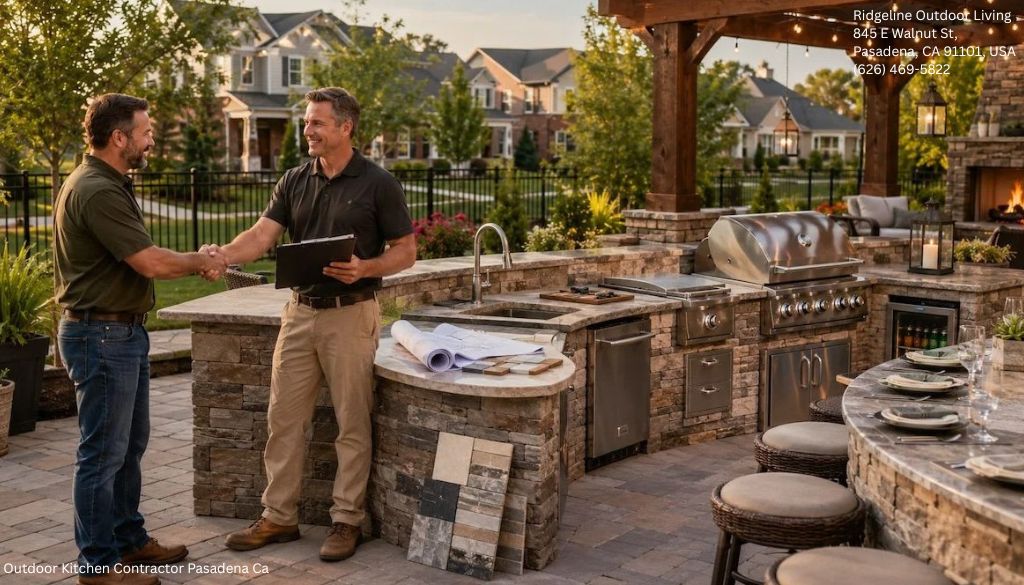
An outdoor kitchen becomes a centerpiece only if it earns its keep on an ordinary Tuesday. We start with the honest cooking habits of the household, then specify appliances to match. A common setup in our climate includes a built‑in gas grill, a side burner for sauces or paella nights, a small undercounter fridge, and an ice drawer that tackles the weekend cooler problem. Pizza ovens are spectacular, and the countertop wood‑fired models get used more than many expect, particularly when we integrate prep space adjacent to the oven and a place to stage hot peels.
Cost depends on utilities, finishes, and scope. How much does an outdoor kitchen cost in Los Angeles? For a modest L‑shaped island with stucco cladding and a durable porcelain slab top, most households invest in the range of 18,000 to 35,000, including utilities and permitting. Add premium appliances, custom stone, or a roofed cover with heaters, and the budget lands between 40,000 and 90,000. When we publish Ridgeline Outdoor Living’s guide to outdoor kitchen design, the same advice always tops the list: put dollars into layout, counter depth, and ventilation first. Upgrades can follow later.
3. A fire feature you will light in July
The city’s evening temperature profile means a well designed fire feature earns use nearly year‑round, even in midsummer. We residential hardscaping Pasadena match the fire to the hosting style. Sunken lounge with a linear fire ribbon for modern homes, circular pit with a generous stone cap for relaxed conversation, or a chimneyed outdoor fireplace for hillside sites where wind needs a controlled draft. We often keep a catalog of 12 backyard fire pit ideas for entertaining year‑round at hand when aligning form with function.
In high fire severity zones, we default to gas with spark arrestors and non‑combustible surrounds, and we review local restrictions on open flames. Portable wood burning pits are restricted or banned in some neighborhoods on red flag days. Gas supply sizing matters more than most expect. A 48‑inch linear burner can call for 100,000 BTU or more, and undersized lines starve the flame. We pressure test and specify shutoff valves at sensible points, including one close to the feature and another by the house.
4. Shade that reads as architecture, not an afterthought
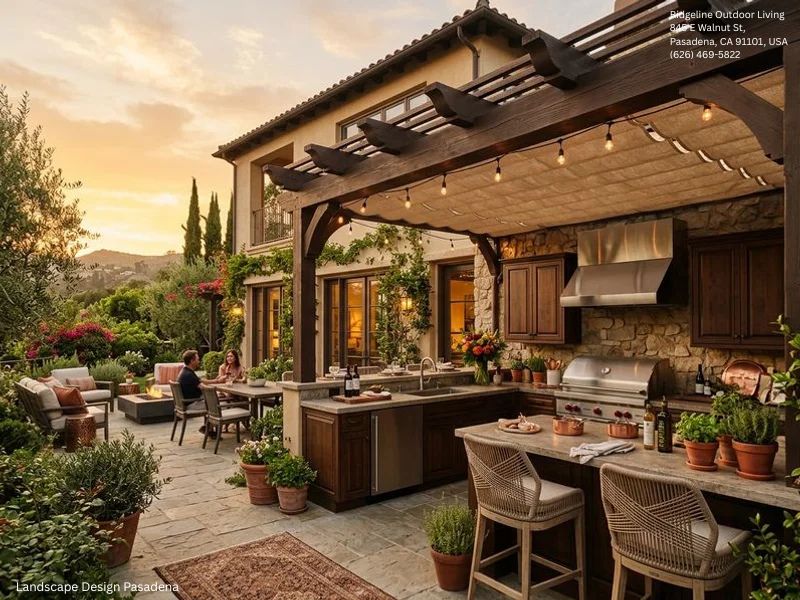
Los Angeles sun is generous, but human beings stay longer in dappled light. The right shade structure extends the season, protects finishes, and drops perceived temperature by several degrees. Pergolas vs covered patios creates a real fork in the road. Pergolas, whether wood or aluminum, filter light beautifully and can support vines like Wisteria or evergreen Trachelospermum. Louvered systems add adjustability and rain protection at higher cost. Covered patios, tied into the home’s roof or built as stand‑alone pavilions, deliver true shelter, allow for integrated heaters and fans, and read as architecture.
Designers often fight one pitfall: posts that land in the wrong place. We plan furniture and circulation first, then align footings. In earthquake country, lateral bracing and hardware selection are not negotiable. Where homeowners want the look of a pergola with solid shade, we specify polycarbonate panels or tightly spaced slats that preserve the light quality without trapping heat.
5. Lighting that flatters faces and guides feet
Good outdoor lighting adds value that you feel more than you see. It is easy to overshoot and create glare that kills the mood. We layer low, warm output on the human scale: step lights at four inches, path lights staggered irregularly to avoid a runway effect, and downlights from pergolas or trees that mimic moonlight. If you want to dive deeper, look up 10 outdoor lighting ideas for Los Angeles landscapes, then pare that list down to what your yard actually needs.
Color temperature matters. We live between 2700K and 3000K for entertaining areas. Higher color temperatures make stone read chalky and skin tones go flat. Dimmable zones cut energy use and feel right at different group sizes. We rarely use solar stake lights except as temporary placeholders. Hardwired low‑voltage systems with brass or powder‑coated fixtures last longer and deliver consistent light. Motion sensors near steps, and small highlights on key plants, keep guests safe and curious as they explore.
6. Water that cools the air and quiets the block
A small water feature can earn its square footage in LA more than in almost any other climate. We see it pay off two ways: microclimate and masking. The evaporative effect, especially combined with shade and air movement, shaves perceived heat, and the sound covers street noise without turning the volume up. For modern yards, a scupper spilling into a trough feels right. For Mediterranean homes, a tile‑lined bowl set amid salvaged brick suggests roots. Our portfolio for 12 water feature ideas for luxury Los Angeles backyards stretches across budgets, but the same rule applies: invest in a reliable pump, a proper catch basin, and accessible filtration.
We design for maintenance from day one. A hidden cleanout, a bypass for winter, and easy access to GFCI service reduce headaches. If leaves or Santa Ana conditions drive debris into open water, we set a removable mesh screen just below the lip. Low water use is a must in a drought‑sensitive region, so we size basins to recirculate efficiently and cover them during extended trips.
7. A game surface that holds up, with honest drainage
Every party photobombs itself with a game. Bocce, cornhole, or a strip of synthetic turf for putting and lawn darts. The question is where the water goes. Los Angeles soils vary from compacted urban fill to clay that seals tight in winter rains. A regulation bocce court wants a free‑draining base, a perimeter that holds its profile, and a finish layer that does not dust into eyes. We build on a compacted aggregate base, include perforated pipe along the lows with a French drain daylight, and top with oyster shell blends that firm under use. On sloped lots, a retaining wall can serve as both backstop and seating, and we detail weep holes into the wall face.
Artificial turf vs sod gets hot debate, so we install with clear eyes. Well made turf systems are excellent for small shaded lawns where sod struggles, or for high traffic sports strips. They need proper base construction and edge restraint, plus occasional disinfection where pets play. Natural sod cools the yard and softens the look, but it needs water and smart irrigation. We mitigate with dripline under mulch elsewhere and drought‑tolerant plantings on the periphery. The best drought‑tolerant plants for Los Angeles yards include manzanita, salvias, lomandra, westringia, and desert museum palo verde, which all earn their keep with color, movement, and pollinator action.
8. A plunge pool or spa scaled to real space
Full pools are significant investments in Los Angeles, particularly with engineering on hillside properties, but compact plunge pools and integrated spas give you the social and recovery benefits without consuming the lot. A well sited 8 by 12 foot plunge can anchor a lounge terrace and cool a summer dinner party. For small lots in Culver City or Silver Lake, we have set these in raised decks with bench walls that double as seating. Equipment noise is an honest concern in tight neighborhoods. We specify variable speed pumps and build acoustic screens with airflow, then measure decibels at the property line.
Pool landscaping ideas for Los Angeles homes lean to evergreen structure with seasonal highlights. We keep plantings clean and resilient around water: lomandra that shrugs off splashes, jasmine trained along a fence for scent, and groundcovers that do not shed into the skimmer. Lighting under bench caps and on steps makes the water part of the evening even when you are not swimming.
9. Privacy that breathes like a garden
Entertaining works when guests can relax without feeling on stage. Privacy in LA is often about layered edges, not fortress walls. We combine seat walls, vine‑clad trellises, and multi‑trunk trees to screen sight lines where they matter most, such as a dining area visible from a second story neighbor window. For modern homes, a breeze block panel set within a steel frame modulates light and brings a nod to mid‑century LA. In the hills, we negotiate view easements carefully to preserve the panorama while protecting dining nooks.
Drought‑tolerant landscaping is your friend here. The ultimate guide to drought‑tolerant landscaping in Los Angeles always opens with soil and irrigation. We amend lean soils where specific plantings need it, then keep emitter rates low and consistent. Native hedges like toyon and coffeeberry give excellent privacy with wildlife value. Bamboo can work if clumping and properly contained, but we rarely recommend running types in small lots.
10. Retaining walls that make hillside yards workable
Many of our most satisfying builds happen on slopes, where a pair of well engineered retaining walls unlocks flat pads for living. Retaining walls for hillside properties require respect. We test soils, design for drainage behind the wall, and tie geogrid into the backcut where necessary. When walls do double duty as seating, we set cap heights between 18 and 22 inches and use stone or honed concrete that will not burn bare legs in summer.
These structural elements often produce the best return on investment. Leveling formerly unusable terrain creates true square footage outdoors. For homeowners evaluating the complete guide to retaining walls in Los Angeles, the checklist usually includes permitting, engineering, and drainage. Skipping drains behind a wall is a classic error that shows up in the first winter storm. We prefer perforated pipe wrapped in fabric, clean gravel backfill, and a positive daylight outlet.
11. Drainage that keeps the party dry
LA does not rain often, but when it does the water moves. Good entertainment yards step carefully between permeability and protection. We rake finished grades away from the house at a minimum of 2 percent, catch roof runoff into solid drains, and use French drains to intercept groundwater on slopes. French drains explained simply: a trench with perforated pipe set low, wrapped in fabric and gravel, that captures and redirects water before it surfaces where you do not want it.
Common landscape drainage problems and their solutions often involve small fixes done well. A low spot at the base of stairs benefits from a discreet area drain connected to a main line. A neighbor’s higher yard calls for a swale along the property line and cooperation on a shared discharge. Permeable paver systems earn their keep here. They look like standard patios but pass water through joints into a gravel reservoir below, slowing and filtering runoff before it heads to the street.
12. Smart controls that make the yard effortless
Once the bones are in, the invisible systems keep the evenings smooth. Smart irrigation controllers matched to drip zones and rotors save water and protect plantings. We program seasonal baselines, then adjust through the first year as roots establish. Lighting on astronomic timers brings the yard to life at dusk without touching a switch. Heaters, misters, and even pump schedules can sit on scenes that match how you host: quiet dinner for four, friends over for a game, or a late swim. The point is not gadgetry. It is removing friction so you use the space more.
When the question becomes which backyard upgrades are worth the investment, these brains generally rank high because they preserve the rest of your investment. They also help if you list the home. Buyers notice a yard that just works.
A short cost snapshot to anchor expectations
- Outdoor kitchen with gas grill, side burner, and fridge: 18,000 to 35,000, more with roof and premium finishes. Gas fire pit with stone cap and seating: 6,500 to 18,000 depending on size and gas trenching. Pergola in powder‑coated aluminum, mid‑size: 12,000 to 28,000. Louvered systems start around 35,000. Paver terraces, installed with base and lighting sleeves: 28 to 55 per square foot for mainstream products, higher for large‑format porcelain or complex borders. Compact plunge pool with equipment and basic decking: 65,000 to 140,000, engineering and access drive the spread.
These ranges reflect recent Los Angeles projects with licensed trade partners and permitted work. Access, utilities, hillside conditions, and finishes remain the biggest variables. If you are comparing paver patios vs stamped concrete, concrete often starts lower per square foot but escalates with color, saw cuts, and subgrade demands, while pavers preserve flexibility and deliver higher resale value in most neighborhoods.
Materials that survive the climate and earn their keep
Southern California punishes the wrong materials. We specify porcelain or high‑density limestone for tops that see wine, citrus, and heat. For patios, concrete pavers with integral color resist the fading you get with topical stains. If your heart is set on wood decking, we use thermally modified ash or premium hardwood, then keep it shaded and ventilated to fight UV and dry‑rot. Powder‑coated aluminum pergolas beat wood in low maintenance yards, especially near pools or coast air.
For drive entries that set the tone, 15 driveway paving ideas to improve curb appeal often spin off from the same palette used out back: crisp modern concrete bands with permeable paver inlays, or clay brick set on edge for classic homes. The most popular driveway materials in Los Angeles remain concrete and pavers, but resin‑bound gravel has quietly earned fans on larger estates where permeability and a softer look matter.
Planting palettes that feel like California
We design around drought because it is honest. Why drought‑tolerant landscaping is a smart investment needs little argument when water rates rise. The trick is to avoid the monotone “all gravel, two agaves” look. We build structure with evergreen shrubs, then layer perennials with seasonal color and movement. Salvias bring hummingbirds, lomandra stays lush with minimal water, and silver leaves like senecio cool the composition. On the shady side, Australian tree ferns and aspidistra keep patios feeling fresh with drip under mulch.
Irrigation matters as much as plant choice. Subsurface drip in planting beds, high‑efficiency rotors on any lawn zones, and pressure regulation at the valves prevent misting in coastal breezes. Mulch at three inches deep reduces evaporation and keeps weeds from stealing water. Many homeowners also weigh artificial turf installation for small play areas. In those cases, we choose infills that reduce heat gain and design perimeter plantings to restore the natural feel.
Business Name: Ridgeline Outdoor Living
Address: 845 E Walnut St, Pasadena, CA 91101, United States
Phone: (626) 469-5822
Ridgeline Outdoor Living
Ridgeline Outdoor Living is a Pasadena-based landscape design-build company serving Greater Los Angeles with custom outdoor living, hardscape, and drought-tolerant landscape solutions. The company specializes in patios, retaining walls, outdoor kitchens, drainage, hillside projects, and turnkey landscape construction, handling projects from design and permitting through final build and warranty.
845 E Walnut St, Pasadena, CA 91101, USA
Business Hours:
- Monday – Saturday: 8:00 AM – 6:00 PM
- Sunday: Closed
Follow Us:
Acoustic planning, because this is still a city
Entertainment cuts both ways. A yard that sounds great inside can leak into the neighborhood if you do not plan for it. We mount speakers under pergola beams or in planters, aiming them inward to the audience. For neighbors’ bedrooms across a fence, a combination of solid fencing, dense hedging, and a gentle water sound masks voices better than turning volume down to a whisper. Local noise ordinances typically quiet outdoor amplified sound after 10 p.m. In residential zones, so we program audio scenes with a curfew bump.
For movie nights, we set projection walls on axes that keep light off neighbors’ windows. Portable inflatable screens are surprisingly effective, but we often mount a retractable unit under a covered patio, paired with a weather‑rated short‑throw projector and a cabinet that hides gear from the sun.
Working with the site you have
Los Angeles lots run from shotgun rectangles in Mar Vista to pie‑shaped view lots in the hills. The best entertainment yards embrace the site’s quirks. On narrow lots, we often run a long bench wall with storage and set compact lounge groupings at intervals, giving the yard a sense of chapters. On deep lots, a mid‑yard arbor or a change in paving pattern helps pull people from the house to the far terrace. On hillside properties, retaining walls prevent erosion and create real rooms with view railings you can lean on.
If you are tempted by resort‑style touches, there are at least 10 ways to create a resort‑style backyard at home without chasing theme‑park vibes. Focus on a few sensory anchors: a cooling water note, a shaded daybed, and lighting that warms the evening. The rest follows.
Permitting and construction sequencing that saves headaches
Los Angeles is a place of micro‑jurisdictions. The city, the county, coastal zones, and HOA overlays all have a say. Gas lines, electrical runs, roofs, pools, and any structure with footings usually need permits. We work design‑build because sequencing saves real money. Gas trenching and electrical sleeves run before patios go in. Drainage ties together before final grading. We leave a spare conduit or two to future‑proof for features you might add in a few years, like landscape speakers or a sauna.
A short pre‑construction checklist we hand to clients includes:
- Confirm property lines and underground utilities. Do not assume old fences are accurate. Decide appliance and gas loads early so trenches and pipe sizes match real demand. Approve lighting color temperature and control zones on a plan, not in the yard at night. Align post locations with furniture footprints so seating and circulation work from day one. Verify finishes under real light on site, not under showroom LEDs.
Getting these right at the start shortens timelines and prevents rework. It also protects budgets when materials need longer lead times or a hillside requires additional engineering.
What actually adds value
If you are evaluating 10 hardscaping features that increase property value, start with the ones future buyers can see themselves using often. Zoned paver terraces, an honest outdoor kitchen, a fire feature that lights easily, and layered lighting consistently appraise well. Retaining walls on slopes count as square footage outdoors and solve real problems. Smart irrigation and clean, drought‑tolerant planting reduce maintenance stories that can spook buyers.
Some upgrades should be chosen for love, not spreadsheets. A pizza oven is magic for the right family. A dedicated pickleball strip delights a particular crowd. If resale is on your mind, keep these elements flexible. Surfaces that can be repurposed, utilities that serve more than one appliance, and plantings that can be edited without tearing out systems will keep options open. When weighing what hardscape construction costs in Los Angeles, consider durability and adaptability as part of the return.
How we approach design so the yard hosts without fuss
Ridgeline Outdoor Living creates functional outdoor living spaces by listening first. We map how you host now and how you want to host a year from now. We sketch the party on paper, then build the bones that support it. That might mean a courtyard for morning sun and a west terrace screened from wind, or a compact yard tuned like a sailboat where every piece has two jobs. Our crews know Los Angeles soils, slopes, and codes. We run drainage before beauty, then layer structure, utilities, and finish. The result is not a catalog yard. It is your yard, working hard with quiet confidence.
If you want a place to start, walk your backyard at 7 p.m. With a glass of water. Notice where your feet want to stop, where the air moves, what you wish you could hear or not hear. Those observations, matched with the twelve features above, will frame a design that fits your home and the city we share.