Los Angeles homeowners love a green lawn for the same reasons people everywhere do: it softens hardscape, cools the eye, and gives kids and dogs a place to flop down. Our climate complicates that simple wish. With long dry seasons, clay-heavy soils in many neighborhoods, and frequent water restrictions, a lawn that looks effortless often demands careful planning. At Ridgeline Outdoor Living, we help clients choose between artificial turf and sod based on how the space will be used, what the site will tolerate, and how the budget needs to perform over 5 to 15 years. There is no universal winner. There are, however, clear patterns that emerge once you consider water, heat, maintenance, durability, and the character of the rest of the landscape.
How your lawn will actually be used
Start with daily life. A 250 square foot patch where a toddler crawls and a Labrador tumbles has different demands than a 1,200 square foot front yard meant to set off modern architecture. In Los Angeles backyards, lawns often do three things: they act as play surfaces, they connect outdoor rooms like paver patios and pergolas, and they buffer hard elements such as retaining walls, pool decks, and driveways.
Natural grass, especially tall fescue blends common in Southern California, cushions falls and stays noticeably cooler than synthetic surfaces under direct summer sun. It also looks organic near drought-tolerant plantings when you want a soft transition. Artificial turf, by contrast, excels where traffic is relentless and where irrigation is complicated, for example in narrow side yards, roof decks, or around outdoor kitchens where grease and foot traffic make sod struggle. We often tie turf in with other low-water features from our catalog of 10 Hardscaping Features That Increase Property Value, such as paver pathways and seat walls, so clients get a usable, consistently clean surface that sets off masonry and lighting.
Water is the pivot
Los Angeles lawns live or die by water. A healthy sod lawn needs consistent irrigation, especially in the first year. For tall fescue, think in terms of 1 to 1.5 inches per week in summer, tapering down in spring and fall. With a modern controller, rotors correctly spaced, and cycle-and-soak programming to account for clay subsoils, you can keep watering efficient. Even so, a 500 square foot lawn can consume 15,000 to 25,000 gallons per year depending on microclimate and management. Drought-tolerant grasses and warm-season varieties like hybrid Bermuda can reduce that number, though they bring dormancy and color shifts that some homeowners dislike.
Artificial turf uses no irrigation for plant health. In practice, most clients occasionally hose it to cool the surface or wash away dust. Over a season, that might total a few hundred gallons, not tens of thousands. During restriction cycles, that difference matters. Rebates for turf have come and gone and the criteria change, so we advise clients to check current LADWP and local agency programs before planning the project.
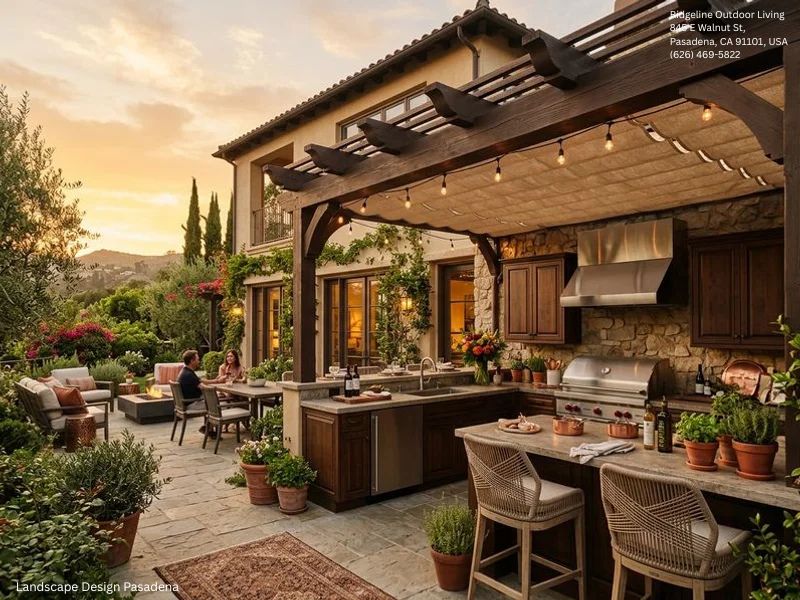
If you are aiming for The Ultimate Guide to Drought-Tolerant Landscaping in Los Angeles results, an approach that reduces turf square footage and supplements with groundcovers, gravel bands, and water-wise plants can beat both options on long-term water use while still delivering a green frame to your hardscape.
Heat underfoot
The most common surprise with artificial turf is summer surface temperature. On a 95 degree day, a synthetic field in full sun can measure 140 to 160 degrees at the surface, while a healthy sod lawn might read 90 to 105. Not every backyard is a scorching bowl, and shade from a pergola or a mid-day tree canopy changes the picture. Infill choice, fiber color, and pile density also matter. We have measured differences of 10 to 20 degrees between high-silica sand infill and certain coated infills designed to reflect rather than store heat. A quick hose-down drops surface temperature dramatically for an hour or so, which is useful during a party but not a daily solution.
Business Name: Ridgeline Outdoor Living
Address: 845 E Walnut St, Pasadena, CA 91101, United States
Phone: (626) 469-5822
Ridgeline Outdoor Living
Ridgeline Outdoor Living is a Pasadena-based landscape design-build company serving Greater Los Angeles with custom outdoor living, hardscape, and drought-tolerant landscape solutions. The company specializes in patios, retaining walls, outdoor kitchens, drainage, hillside projects, and turnkey landscape construction, handling projects from design and permitting through final build and warranty.
845 E Walnut St, Pasadena, CA 91101, USA
Business Hours:
- Monday – Saturday: 8:00 AM – 6:00 PM
- Sunday: Closed
Follow Us:
Families with young children or barefoot play in afternoon sun should weigh this carefully. We have had clients in Woodland Hills elect turf for durability, then add a light-colored paver patio with a covered dining area and a small real-grass play strip under an existing tree, trading some maintenance for cooler feet where it matters.
Installation cost and what it really covers
Upfront cost between the two options is not close. For professional installation in Los Angeles:
- Artificial turf typically runs 12 to 22 dollars per square foot for residential quality, installed. The range reflects subgrade conditions, base build, turf product, edging, seaming complexity, and any contours or steps. Pet systems with antimicrobial infill and specialized drainage layers tend to land on the higher end.
Sod cost is usually 2 to 5 dollars per square foot installed, including soil preparation and starter irrigation tune-ups. If you are adding or reworking irrigation zones, expect more. A modest front yard with 700 square feet of sod and a smart controller might total 3,000 to 6,000 dollars. The same yard in turf could be 10,000 to 15,000.
Lifecycle cost brings the two closer. A sod lawn over 10 years accumulates water bills, seasonal fertilization, mowing, aeration, overseeding, pest management, and occasional irrigation repairs. A turf lawn brings infrequent brushing, seam inspections, infill top-ups, and spot sanitation for pets. We advise clients to run numbers based on their water rate tiers and their appetite for maintenance. On sites we manage, 1,000 square feet of well-maintained sod might cost 1,000 to 1,800 dollars a year in water and care. Turf might cost 100 to 300 dollars in occasional service, plus energy for leaf blowers and a rare enzyme treatment. Replacement for turf arrives at year 12 to 18 for most homeowners, depending on use and quality of the initial install.
Maintenance you will actually do
Clients often underestimate the frequency of small tasks, not the big ones. Sod needs mowing weekly in the growing season unless you are trying a slow-growing warm-season variety. It needs irrigation checks twice a year and seasonal fertilization. Shade or poor airflow invites fungal issues. Dogs put burn spots in certain areas unless you dilute quickly or adjust diet.
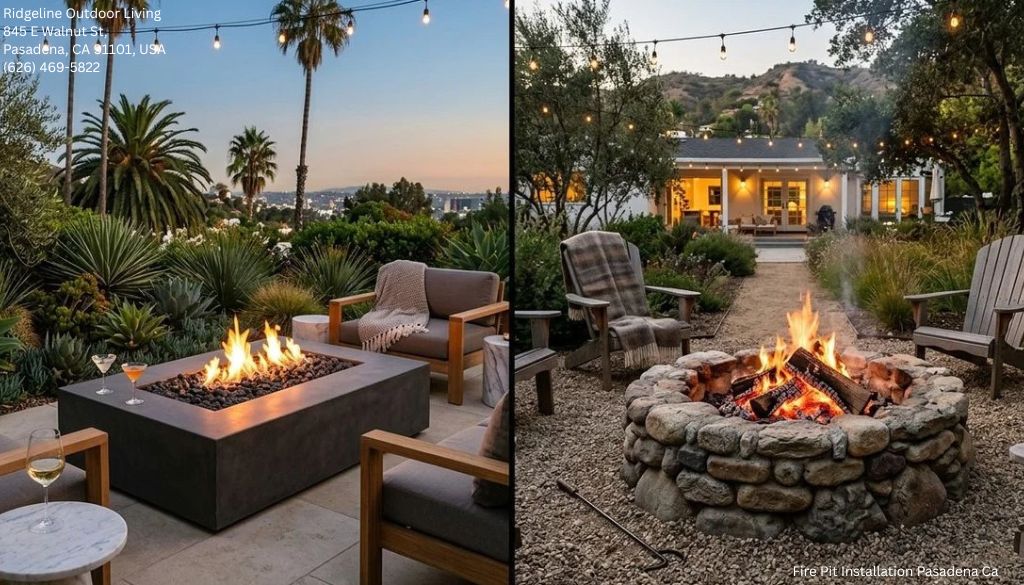
Artificial turf needs grooming, especially in high traffic lanes. Brushing against the grain revives flattened fibers. Leaves and jacaranda blossoms cling, so you will still use a blower. For pets, regular rinsing and enzyme-based cleaners control odor. Sunscreen, barbecue grease, and coal can stain or melt fibers, so smart layout matters near outdoor kitchens and fire features. We sited a steel fire bowl on a decomposed granite pad and ringed it with pavers for a client in Studio City expressly to keep ember pops off a new turf lawn, a small detail that preserved a 14,000 dollar install.
Durability, traffic, and sport
Sod recovers from scuffs and offers grip underfoot. In full sun with solid soil prep, it can host soccer practice, croquet, and chase scenes with no problem. In shade, sod thins and tears. Repeated cornering by a large dog will chew mud at gate entries in winter, and that mud tracks inside. Warm-season grasses knit tight and handle sport better, but they ask for scalping and transition work.
Turf laughs at heavy traffic, which is why we use it beside paths through side yards and along narrow strips between driveway and sidewalk. Pile height and density must match the use. We avoid 2.25 inch products for sport surfaces because they feel plush but grip poorly, and they mat quickly. A 1.25 to 1.75 inch product with a firm thatch layer plays better and is easier to brush back to life. Seams are the weak point. We cut with mirrored S-curves and hide joints in the grain change to avoid a zipper line. When a client wants a putting green, we pair a compacted base with a short, dense turf and sand dressing to dial stimp speed. If your vision involves 12 Backyard Entertainment Features Every Homeowner Should Consider, like a chipping mat, cornhole, and kid play, a mixed turf and paver layout gives durability without the heat of a full synthetic field.
Pets and odor control
For dogs, the choice often pivots on odor management and digging. Some dogs treat sod as a project and excavate with gusto. Turf solves that impulse if the edges are well restrained, but it concentrates urine. Over time, especially in summer, salt and urea smells build unless you water through the base. A pet-focused install has three elements: a well-draining base with fewer fines, a turf backing with more perforations, and an antimicrobial infill that does not trap odor. We also run a perforated drain line to daylight in tight courtyards so rinses do not saturate a single point.
On sod, urine burns can be spot-repaired with quick water flushes, gypsum, and a little compost. Odor is rarely a turf-level issue outdoors, but mud is. If your dog barrels along a fence line in the rainy season, turf plus a narrow paver band may save your floors.
Environmental trade-offs
No responsible contractor should ignore end-of-life and habitat. Sod cools the air through evapotranspiration, supports soil microbes, and helps infiltrate stormwater. It also demands water and often fertilizer, which, if mismanaged, runs off. Turf reduces water use but introduces a large plastic product that will eventually be landfilled unless local recycling streams improve. It can shed microplastics through infill displacement and fiber wear, particularly if installed with crumb rubber, which we do not recommend for residential work here.
We counsel clients to treat lawn area as a feature, not a carpet. Many of our projects follow 15 Water-Wise Landscaping Ideas for California Homes and The Best Drought-Tolerant Plants for Los Angeles Yards to surround a smaller, more intentional lawn with native and Mediterranean palette plants. That approach reduces total synthetic material if you choose turf and reduces water and chemical use if you choose sod.
Drainage and base prep make or break the result
LA soils vary block by block. In the Valley, we often find expansive clays that hold water near the surface. Near the foothills, decomposed granite drains readily. For sod, that means tilling in compost, leveling, and sometimes incorporating gypsum and sand to open texture. For turf, base is more exacting. We remove 3 to 5 inches of soil, install a compacted class II road base, and top with a fine layer to achieve fall away from the house. We slope a minimum of 1 percent, more if a pool deck concentrates overflow. On sloped lots, we tie turf edges into masonry or steel edging so the face does not creep. Where downspouts or hillsides feed water, we integrate swales or French drains, the kind of detail covered in French Drains Explained: Protecting Your Property From Water Damage and How to Solve Common Yard Drainage Problems. Good drainage protects both turf and sod, and it keeps patios and retaining walls cleaner by preventing fine sediment washouts.
Aesthetics and realism
Not all turf looks like a football field. Higher-end products layer multiple blade shapes, colors, and a tan thatch that mimics dormant undergrowth. Some have a slight sheen that reads artificial in harsh sun, so we pick matte fibers when the lawn sits in the main view axis from a living room. Pile height, stitch rate, and gauge change how manicured or wild the turf appears.
Sod gives seasonal nuance you cannot fake. New spring growth has a different energy than late summer grass under restricted watering. Warm-season sods like hybrid Bermuda deliver a tight, golf-course look in heat but go straw colored in winter without overseed. Tall fescue stays greener but requires more summer water. Near modern architecture, a flat, almost graphic lawn can look intentional, especially paired with 15 Paver Patio Designs Los Angeles Homeowners Love or simple board-formed concrete. In Spanish and Mediterranean homes, a looser, meadowy edge around pavers reads better. We use lawns as part of 10 Ways to Create a Resort-Style Backyard at Home by balancing clipped green with water features, lighting, and shade structures.
When we recommend each option
Here is how our team frames it during design meetings.
- Choose artificial turf when you need a consistently clean, hard-wearing surface with limited or no irrigation, especially in tight side yards, rooftop terraces, play zones that double as dining space, or high-traffic entries where mud would be a recurring problem. Choose sod when you value cooler surfaces underfoot, seasonal texture, and habitat, and you have either existing irrigation or a willingness to water and maintain. Large front yards, shaded areas beneath mature trees, and spaces where kids will spend barefoot summer afternoons often favor real grass.
Real budgets, real sites
Consider a 600 square foot Santa Monica backyard where the owners entertain eight to ten times a year. The space connected a kitchen slider to a small fire pit zone and a gravel herb garden, with no existing irrigation and a golden retriever in residence. Turf cost 10,200 dollars installed with a pet system and an improved drain to daylight. The owners rinse high-use corners weekly in summer and brush quarterly. Water savings compared to a similar sod yard penciled out to 12,000 to 18,000 gallons per year. Heat was initially a complaint, so we specified a light pergola and a tree. Now the turf area reads as a lively central mat for people and furniture.
In Pasadena, a north-facing backyard with established oaks and a Los Angeles residential landscaping 900 square foot open area took sod beautifully. We amended the top 6 inches with compost, installed a high-efficiency nozzle set on short cycle-and-soak timings, and used tall fescue. Under the shade, temperatures stayed comfortable even during hot spells. The owners mow biweekly in summer and spot overseed in fall. They preferred the sound and feel of real grass near a 12 Backyard Fire Pit Ideas for Entertaining Year-Round vignette, and the cost to install was under 5,000 dollars, with manageable water use due to shade and careful programming.
Edges, seams, and craft
Bad turf looks like a doormat in a field of stone. Good turf disappears into the design. landscaping guides We never run straight seams in the center of view and we avoid butt joints near sightlines. Seams placed along a gentle curve, cut with mirrored patterns, and weighted during cure do not telegraph. We bevel edges at walkways to reduce tripping and to make vacuuming leaves easier. For sod, rolls are staggered like brick, and we roll the lawn after install to improve root contact. We set sprinklers to avoid overspray onto pavers, a common source of mineral staining that reduces curb appeal and adds maintenance, one of the 10 Outdoor Lighting Mistakes That Reduce Curb Appeal style pitfalls that applies to irrigation too.
Integrating with hardscape and outdoor living
Lawns are not solo acts in Los Angeles landscapes. They are surfaces between destinations. When we plan an outdoor kitchen, the question How Much Does an Outdoor Kitchen Cost in Los Angeles is paired with where guests will stand during cooking, how smoke moves, and which surfaces tolerate dropped tools. Turf in front of a grill needs a heat buffer. Sod near a grill needs a hard edge to avoid tire ruts from service carts. Around pools, we analyze splash zones and chlorine drift. Turf is appealing for cleanliness, but glare and heat call for contrasting cool decking or shade. Sod cools and filters water before it hits a drain, but regular chlorinated splash can bleach edges.
Driveways and entry paths set the tone for curb appeal. We often frame 15 Driveway Paving Ideas to Improve Curb Appeal with narrow turf bands to soften the geometry or use sod panels within concrete ribbons. In the backyard, paver patios, low seat walls, water features, and lighting draw the eye at twilight. A small lawn acts as a rest for the gaze and a flexible floor for gatherings.
Performance in shade and on slopes
Shade is the great separator. Turf grows no matter the shade, but that does not mean it feels good. In deep shade, turf stays cooler and performs better because heat is the main drawback. In dappled shade, it can be glorious. Sod, on the other hand, thins when light drops below 4 hours of direct sun for tall fescue. In those zones, we mix groundcovers, mulch, and pavers. On slopes, sod can be pegged and rooted to stabilize mild grades, while turf must be edged and anchored well to avoid creep. If your property includes elevation changes, see Retaining Walls for Hillside Properties: What Homeowners Need to Know and The Complete Guide to Hillside Landscaping in Los Angeles for how we integrate terraces, stairs, and drainage with lawn decisions.
Health and safety
All surfaces carry trade-offs. Turf has no pollen, a relief for some allergy sufferers. It does not host gophers. It can, however, heat up and cause skin discomfort for crawling toddlers and dogs in midday. Some turf products may contain PFAS or other chemicals of concern. We vet manufacturers, request disclosures, and specify products with transparent testing where available. Sod hosts insects, supports biodiversity, and cools air. It can also harbor ticks in some regions, though that is less common in our urban Los Angeles neighborhoods. Proper mowing height and perimeter management help.
A short decision checklist
Use the following prompts to sanity check your choice.
- If you removed all irrigation tomorrow for a month in August, would you still be happy with the surface you picked? Will barefoot play happen between noon and 4 pm in summer, and do you have shade or cooling available? How large is the lawn relative to your budget over the next 10 years, including water and replacement? Do you have dogs, and are you willing to rinse or treat pet areas regularly? Is the lawn framed by heat sources, reflective glass, or fire features that might affect longevity?
How Ridgeline evaluates your site
Our process is pragmatic. We measure sun hours at different seasons, probe soil, inspect drainage paths, and map how people move from door to door. We sketch two or three layouts that shrink or expand lawn area to test how much green you actually need to achieve the design goals. We price both sod and turf with clear scope so you are not comparing apples to oranges. When a client leans toward turf, we walk them through fiber choice, infill, seam locations, and pet management. When a client prefers sod, we right-size irrigation, specify mowing heights, and set a seasonal care plan that matches the desired appearance.
This design-build approach mirrors How Ridgeline Outdoor Living Approaches Design-Build Landscaping across patios, walls, and water features. The goal is not to sell a product. It is to deliver a backyard that works as a unit, from the drainage under your lawn to the way your outdoor lighting reads at dusk. In projects where the lawn is just one element among many, such as 12 Water Feature Ideas for Luxury Los Angeles Backyards or 15 Luxury Hardscape Ideas for Southern California Homes, these early lawn decisions shape how color, texture, and maintenance balance out across the property.
Care over the first year
The first year sets the tone. For sod, irrigation is front loaded while roots set, then tapered. Mowing high encourages deeper roots and shades soil, reducing evaporation. We recommend a spring and fall aeration if foot traffic is heavy, with compost topdressing to maintain soil life.
For turf, the first month is about base settlement and seam watchfulness. We ask clients to avoid dragging heavy furniture across seams, to brush quarterly, and to keep a spray bottle of enzyme cleaner handy for pet incidents. If a reflective window across a property line creates a hot spot, we add a screen, a shrub, or a film on the window to protect a valuable investment. Small preventive moves keep a 15,000 dollar field looking fresh instead of tired before its time.
Where both can be wrong
Sometimes the best answer is neither. In narrow strips less than 4 feet wide between sidewalk and street, heat, urine concentration from neighborhood dogs, and contamination from car tires make both turf and sod poor choices. In those cases, we plant drought-tolerant groundcover bands, decorative gravels, or permeable pavers. In deeply shaded courtyards with no airflow, mossy flagstone or a shaded paver patio feels better and performs better than a struggling patch of grass. If you are seeking 10 Outdoor Living Ideas Transforming Los Angeles Backyards, many of them do not require grass at all. Think pergolas, built-in benches, lighting layers, and dining spaces framed by planters.
A word on permitting and rules
Some HOAs in Los Angeles maintain strict rules on front yard appearance. Others now encourage water-wise designs. Before you commit to either option, check local ordinances about artificial turf in front yards and any stormwater retention requirements. In hillside zones, grading and retaining work to support either lawn type may trigger permit review. We design with compliance in mind from the start.
The bottom line
Artificial turf delivers a tough, tidy, water-thrifty surface that shines in high-use, full-sun, or irrigation-limited spaces. It asks you to manage heat, rinse pet areas, and plan for eventual replacement. Sod delivers a cooler, living surface that rewards regular care and looks most at home under trees and near planting beds, especially when you want seasonal nuance. Most Los Angeles properties do best with less total lawn and better lawn placement.
When you are ready to decide, bring us your site photos, rough measurements, and a sense of how you want to live outdoors. We will show you how a compact lawn, whether synthetic or living, can anchor everything from paver patios to outdoor kitchens and low-glare lighting, part of How Ridgeline Outdoor Living Designs Stunning Outdoor Spaces. The right choice is the one that makes your yard feel like a place you use daily, not a project you manage.